

How to Match a Low Frequency Solar Inverter to Your Off-Grid Energy Demands
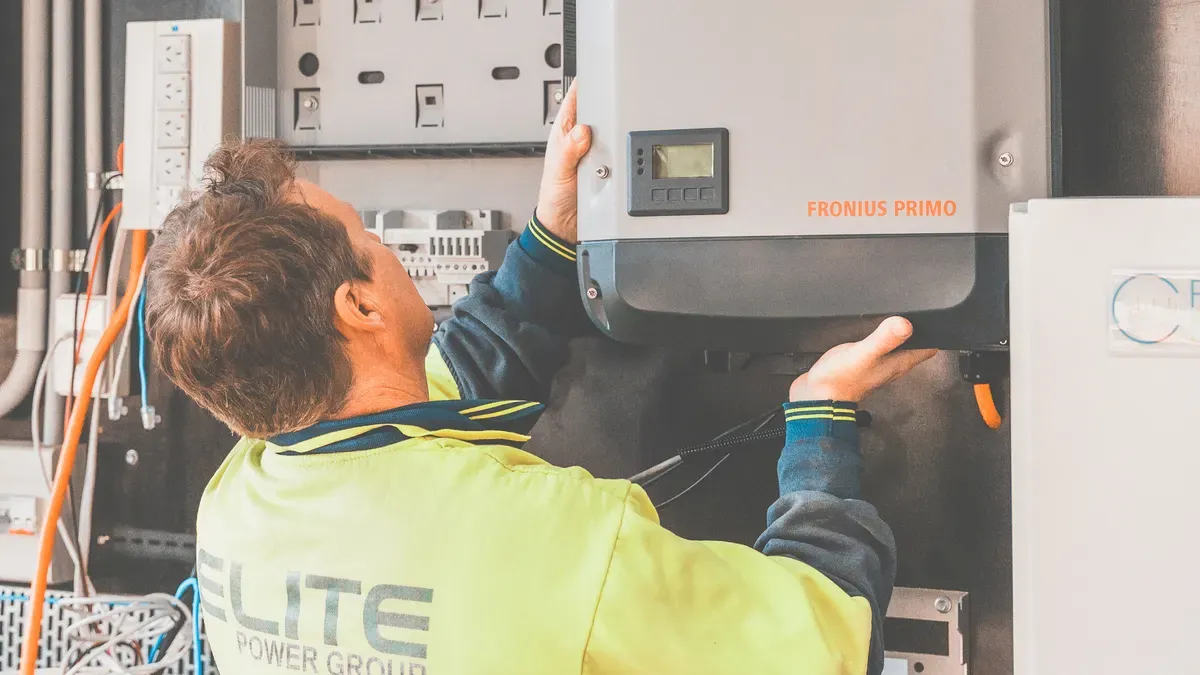
Selecting the wrong off-grid solar power inverter wastes your budget or leaves you powerless. The key is to match your solar inverter precisely to your actual energy demands. For off‑grid systems that must handle heavy start‑up loads from motors or pumps, a Low Frequency Solar Inverter provides exceptional surge capacity, handling high inrush currents without tripping. This off-grid solar power inverter delivers reliable off-grid solar power for your system, ensuring consistent operation. Properly sizing your off-grid inverter maximizes your off-grid solar power. Understanding your specific load profile helps you choose the right off-grid solar inverter. You must also understand its advantages, calculate your loads, match battery voltage, and install it properly for longevity.
Choose a low frequency inverter for its 300% surge capacity to start motors and pumps.
Calculate your total running wattage and add a 20% safety margin for continuous loads.
Match your battery bank voltage exactly to the inverter input to avoid failures.
Install the inverter in a ventilated area and check terminals monthly for tight connections.
Selecting the right inverter for your off-grid system begins with understanding its core strengths. A low frequency solar inverter uses a heavy copper transformer to deliver exceptional surge capacity. This design allows it to handle power spikes up to 300% of its continuous rating for several seconds – a critical capability when starting inductive loads like motors and compressors. Additionally, it produces a pure sine wave output, making it a true Low Frequency Pure Sine Wave Inverter that safely powers sensitive electronics without distortion. Efficiency typically exceeds 90%, ensuring minimal energy loss in your off-grid solar power chain.
Low-frequency inverters can manage power spikes up to 300% of their nominal power for several seconds, making them perfect for starting heavy-duty equipment like motors or compressors. Their transformer-based design ensures robust and long-lasting performance, ideal for off-grid systems with high surge loads.
The physical design of these inverters directly supports off-grid reliability. The large copper transformer provides thermal mass and electrical isolation, which reduces stress during high-demand events. Key attributes include:
|
Feature |
Benefit |
|---|---|
|
Surge capacity up to 300% |
Starts large motors without tripping |
|
Surge duration 2–10 seconds |
Handles inrush current, not just a millisecond burst |
|
Pure sine wave output |
Safe for well pumps, HVAC systems, and electronics |
|
High efficiency (>90%) |
Conserves battery energy in your off-grid solar panel systems |
This combination makes the off-grid solar power inverter exceptionally durable for continuous use. You can rely on it to run heavy loads day after day without premature failure.
Where does a low frequency solar inverter truly shine? Applications that demand high starting power benefit most. For example, a 3‑horsepower well pump may draw three to five times its running wattage during startup. A standard off-grid inverter might trip, but this robust unit handles the surge effortlessly. Central air conditioning compressors, large shop tools like table saws, and air compressors also require this level of power handling. Installing a soft start box on HVAC equipment reduces surge requirements, but the inherent capability of a low-frequency inverter provides a margin of safety for any off-grid system. You can integrate it into your off-grid solar power infrastructure for industrial, agricultural, or remote site use without concern for intermittent high demands. Matching this solar inverter to your loads ensures years of dependable operation.
Sizing your off-grid inverter correctly requires a precise audit of every AC load you intend to power. You cannot guess or estimate; you must document each device's running wattage and its startup surge. This process determines whether your system starts reliably or trips under load. The calculation involves two distinct ratings: continuous power for sustained operation and surge power for brief startup bursts. Your selected solar inverter must satisfy both demands simultaneously.
Begin by listing every appliance, tool, or device that will draw power from your off-grid solar power system. For each item, record its running wattage—the steady-state power it consumes during normal operation. You can find this value on the device nameplate or in its manual. Next, estimate daily operating hours for each load. Multiply wattage by hours to obtain daily watt-hours. Sum these values across all loads to determine your total daily energy consumption.
Apply inverter efficiency losses to this figure. A typical low frequency solar inverter operates above 90% efficiency, so divide your total by 0.90 to account for conversion losses. Add standby power consumption—the energy your inverter draws while idle—by multiplying its no-load wattage by the hours loads remain off. This final number represents your true DC-side energy requirement.
For simultaneous operation, sum the running wattage of all devices that could run at once. This combined figure becomes your continuous load baseline. For example, a 1 HP water pump draws approximately 1,200W running. Add LED lighting at 100W and a refrigerator at 200W, and your continuous load reaches 1,500W.
Inductive loads—motors, compressors, and pumps—demand far more power during startup than during steady operation. These devices can draw 3 to 7 times their running wattage for several seconds. A 1 HP pump with 1,200W running wattage may surge to 3,600W or higher at startup. Your off-grid inverter must handle this inrush current without tripping its overload protection.
Calculate your total surge requirement by identifying the single largest startup load plus the running wattage of all other devices operating simultaneously. Apply a safety margin of 20–30% to this surge-adjusted value. This buffer prevents overheating and accommodates future load additions.
Size your inverter for 125% of your calculated peak continuous load to provide headroom for efficiency losses and prevent overheating. Verify that the inverter's surge rating exceeds motor-driven appliance startup requirements by at least 20%.
Consider your solar panel array sizing as well. Panel wattage should equal 100–130% of your inverter's rated power. This relationship ensures adequate charging capacity for your battery bank. Remember, the inverter itself does not store energy—your batteries perform that function. The inverter converts DC from batteries to AC for your loads.
A Low Frequency Pure Sine Wave Inverter excels in surge handling because its transformer design delivers sustained high current during motor startups. When you select your off-grid solar power inverter, confirm its surge rating matches your calculated peak. For a system with a 3,600W surge requirement, choose an inverter rated at least 4,500W surge capacity. This margin protects your equipment and ensures reliable off-grid solar power delivery. Your final selection must balance continuous rating, surge capability, and panel array sizing for a cohesive system.
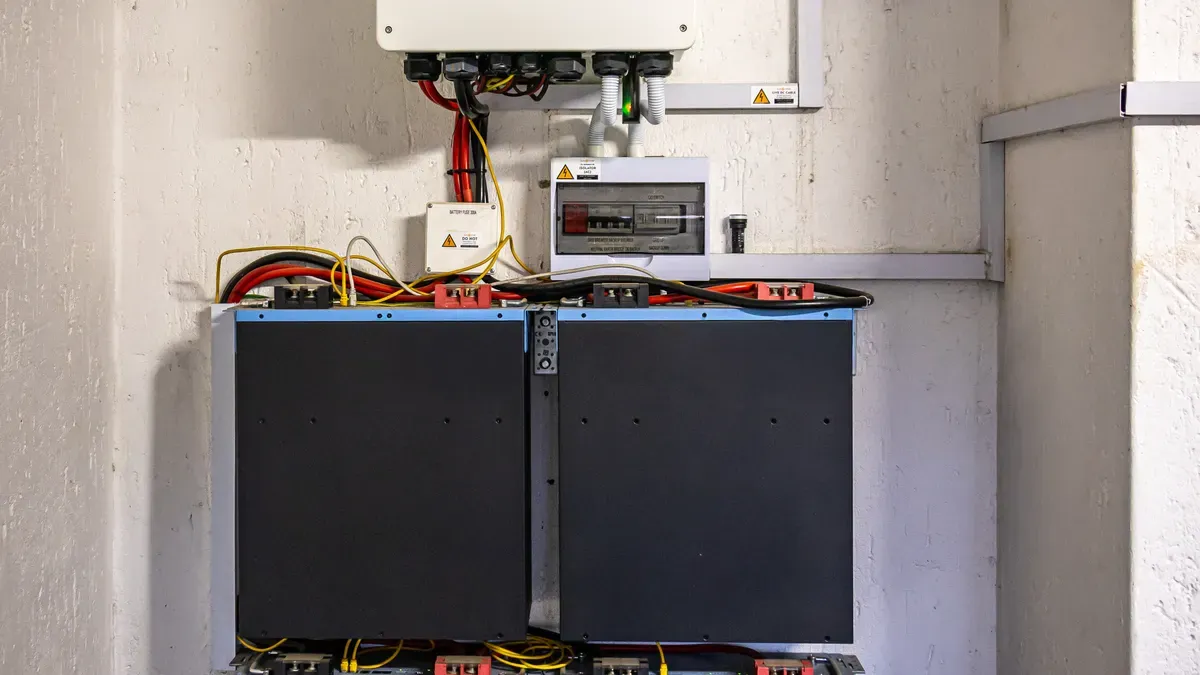
Selecting the correct DC voltage for your battery bank determines the efficiency and safety of your entire off-grid solar power system. Your solar inverter's input voltage must match your battery bank's nominal voltage exactly. A mismatch creates immediate operational failure or permanent equipment damage. You have three primary options: 12V, 24V, or 48V systems. Each choice carries distinct trade-offs that affect wire sizing, current draw, and overall system cost.
Higher system voltages reduce current for the same power output. Doubling your voltage from 12V to 24V halves the current, which permits smaller wire gauges or longer cable runs without excessive voltage drop. This relationship directly impacts your installation budget and flexibility.
Increasing battery voltage allows the same power to be delivered with lower current, which reduces the required wire gauge. Because current determines wire thickness, higher voltage systems can use smaller, more affordable cables.
For a 2,000W continuous load, a 12V system draws approximately 167A, requiring massive 4/0 AWG copper cable for short runs. The same load on a 48V system draws only 42A, allowing 6 AWG wire over much longer distances. You should evaluate your physical layout before committing to a voltage. Remote arrays or distant equipment sheds benefit substantially from 48V architecture. Your off-grid solar power inverter selection must align with this decision, as most low-frequency models accept only one nominal input voltage.
Your battery chemistry dictates specific charging parameters and protection thresholds. Lead-acid batteries tolerate moderate charge voltages and require absorption charging profiles. Lithium iron phosphate (LiFePO₄) batteries demand precise constant current/constant voltage profiles with exact voltage cutoffs. Using a lead-acid profile on lithium batteries causes overcharging or undercharging, reducing capacity and lifespan.
Your off-grid inverter must offer adjustable low battery voltage cut-off settings. Factory defaults often sit too low, risking deep discharge that permanently damages batteries. User-settable cut-off points let you protect your specific bank chemistry. Essential protection features include:
Low Voltage Disconnect (LVD) – automatically disconnects loads when battery voltage drops too low
High voltage cut-off protection – disconnects loads at 16 VDC to protect sensitive electronics
Remote OFF control input – allows disconnecting the battery via a remote switch
Load shedding capability – disconnects non-critical equipment early to extend backup time for critical loads
Your battery bank capacity in amp-hours directly influences how long your off-grid inverter can sustain surge power. A motor startup drawing 3,600W from a 48V system pulls 75A. Your battery must deliver this current without voltage sag below your inverter's cut-off threshold. Verify that your battery's peak discharge current rating exceeds your inverter's maximum surge demand. The inverter itself does not store energy; your battery bank performs that function entirely. Confirm your charge source compatibility as well, ensuring your charge controller communicates properly with your battery management system for coordinated operation. This holistic approach ensures your solar inverter operates reliably under every load condition.
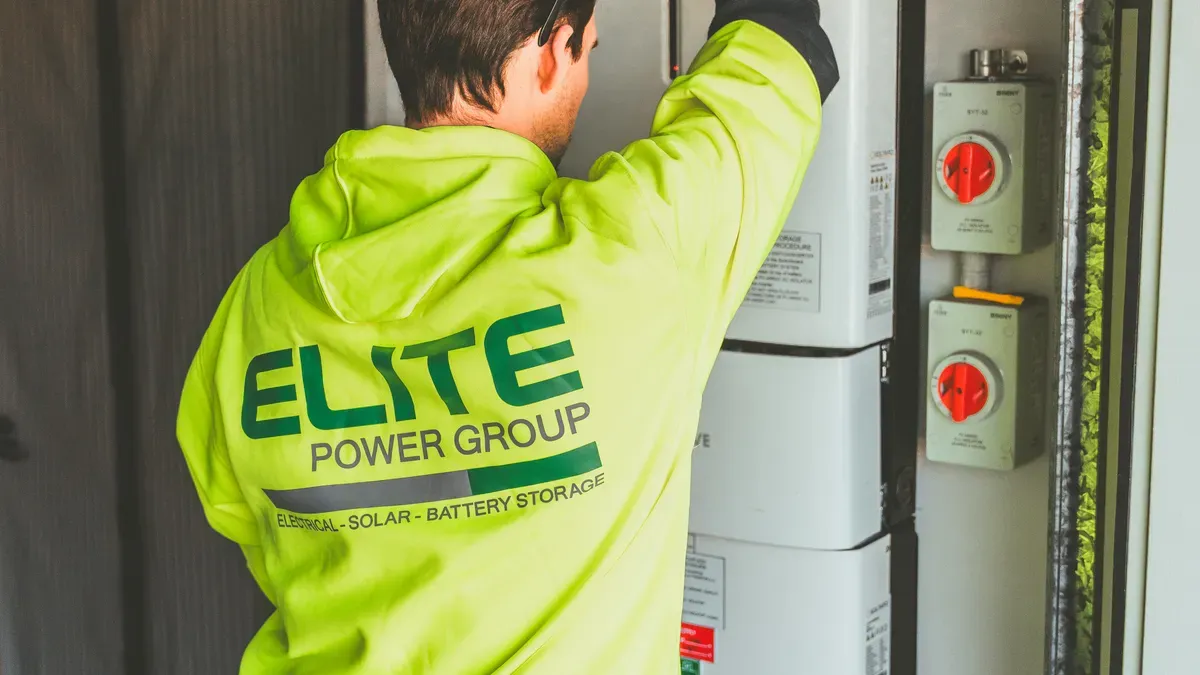
Proper installation determines how long your off-grid solar power inverter delivers reliable service. Low-frequency units generate more heat than their high-frequency counterparts due to transformer losses. You must plan your installation around this thermal reality from the start.
Select a well-ventilated area with at least 30 cm of clearance on all sides. Avoid enclosed cabinets that trap heat. Position the unit near a window or door, and ensure cross-ventilation moves cool air in and hot air out. Keep the bottom and side vents unobstructed. Do not place the inverter near heat-generating appliances like stoves or dryers that raise ambient temperature.
Wiring errors cause most premature failures. Loose connections at terminals increase electrical resistance and generate excessive heat. Torque every terminal to the manufacturer's specification. Use correctly sized cables—undersized wires cause voltage drop and overheating that stresses internal circuitry. Verify polarity before energizing; reversed connections can instantly damage components. Install overcurrent protection on both DC and AC sides. Your off-grid inverter should feature overload protection, over-temperature shutdown, and low battery cutoff as standard safeguards.
Incorrect battery profile settings cause charging problems and unstable power. Configure your solar inverter's voltage ranges to match your specific battery chemistry before first use.
Establish a maintenance rhythm that catches problems early. Check daily battery voltage and state-of-charge trends. Review low-voltage shutdown history to spot developing issues. Inspect cable size and terminal temperature regularly—warm terminals indicate resistance problems. Keep essential loads within safe limits and verify motor loads never exceed surge capacity.
Clean air intakes monthly. Dust, insect nests, and debris block airflow and accelerate component degradation. Monitor operating temperature through the built-in display. Check for moisture intrusion, especially after weather events. Review inverter alarms following heavy load operation. For lithium batteries, examine BMS alarm history and communication cable condition. Compare PV input voltage and current against expected values, and inspect DC cables for damage or corrosion.
Verify standby power consumption periodically—lower idle draw means more energy available for your off-grid solar power. Confirm grounding and surge protection status before and after storm seasons. A unit with comprehensive warranty coverage and responsive after-sales support protects your investment. These practices extend your off-grid solar power inverter's lifespan and maintain system reliability for years.
You now know the three core steps. Choose a low frequency solar inverter for surge capability. Size your off-grid inverter by calculating loads. Match battery voltage. This solar inverter selection prevents wasted capacity and shutdowns. Your inverter converts DC to AC; your battery stores energy. For low idle draw and high efficiency, consider an Energy-Efficient Low Frequency Solar Inverter. Download a load calculator and audit your energy use. Invest in a quality off-grid solar power inverter. Proper matching ensures reliable off-grid solar power. Your off-grid solar power system benefits from this approach. Your off-grid solar power inverter selection impacts longevity.
Check the motor nameplate for locked rotor amps or starting wattage. Multiply running wattage by 3 to 7 for inductive loads. Compare that figure against your solar inverter's surge specification. Confirm the surge duration exceeds your motor's startup time, typically 2 to 10 seconds.
Evaluate your cable run distance first. A 48V system handles long wire runs efficiently with smaller gauge cables. A 12V system suits short, compact layouts. Match your inverter's input voltage exactly to your battery bank nominal voltage. Higher voltage reduces current and minimizes power loss.
Inspect terminals and air intakes monthly. Clean dust and debris from ventilation openings. Check battery voltage trends daily through your system display. Review alarm history after heavy load events. Schedule a comprehensive system check quarterly, including torque verification on all connections and inspection for moisture intrusion.
No. Your solar inverter converts DC power from your battery bank into AC power for your loads. The battery bank stores energy. Your inverter does not perform any storage function. Hybrid inverters manage battery charging and grid interaction, but they do not accept wind or hydro inputs. Your charge controller handles those sources separately.

Электронная почта : g-ad@anern.com
Добавлять :5th Floor, Building B, No.2817 Kaichuang Avenue, Science Zone, Huangpu District, Guangzhou, China


Anern Industry Group Limited Все права защищены
.Xml | политика конфиденциальности  ПОДДЕРЖИВАЕТСЯ СЕТЬЮ
 Язык
Язык


