

В чём разница между солнечными панелями N-типа и P-типа для коммерческих проектов?
Рынок солнечных панелей N-типа быстро растет и используется во многих бизнес-проектах.
Монокристаллические панели, такие как панели N-типа, занимают 61,2% рынка коммерческих устройств.
Тип панели | Коэффициент эффективности |
|---|---|
N-тип | 25,7% |
P-тип | 23,6% |
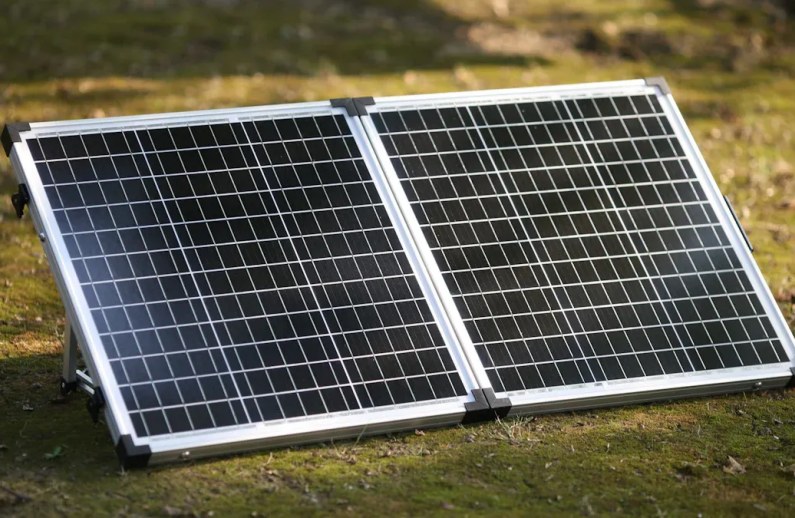
Солнечные панели N-типа и P-типа — это не одно и то же. Они работают по-разному в коммерческих проектах. В панелях N-типа используется специальный кремний. Это помогает им вырабатывать больше энергии, служить дольше и терять меньше энергии с течением времени. Панели P-типа изначально стоят дешевле, но со временем их эффективность снижается.
Панели N-типа более эффективны. Они преобразуют больше солнечного света в энергию.
Панели P-типа менее эффективны. С возрастом они теряют больше энергии.
Панели N-типа практически не теряют световую энергию. Они долгое время исправно работают.
Панели P-типа могут терять до 10% своей мощности из-за света.
Панели N-типа стоят дороже на начальном этапе. Многие компании выбирают их, чтобы сэкономить деньги в дальнейшем.
Панели P-типа изначально дешевле. Некоторые компании выбирают их, чтобы сразу сэкономить.
Совет: Если компания хочет использовать самые качественные и долговечные солнечные панели, то солнечные панели N-типа — хороший выбор.
В таблице ниже показано, чем отличаются панели N-типа и P-типа. Сравниваются их рабочие характеристики, потери мощности, срок службы и стоимость.
Метрическая система | Панели N-типа | Панели P-типа |
|---|---|---|
Эффективность | 25,7% | 23,6% |
Светоиндуцированная деградация | Минимальный | До 10% |
Продолжительность жизни | Длиннее | Коротче |
Расходы | Выше | Ниже |
Солнечные панели N-типа теряют меньше энергии со временем. В первый год панели N-типа теряют около 1% своей мощности. После этого они теряют всего около 0,35% каждый год. За 30 лет они теряют в общей сложности около 11,15%. Панели P-типа служат меньше и работают не так эффективно в долгосрочной перспективе.
Эти факты помогают предприятиям выбрать подходящую солнечную панель. Панели N-типа лучше всего подходят для компаний, которым нужна высокая мощность и долгосрочная выгода. Панели P-типа лучше подходят для проектов с небольшим бюджетом или сжатыми сроками.
Кремний N-типа используется во многих новых солнечных панелях. Он обладает дополнительными электронами, которые помогают вырабатывать больше электроэнергии. Когда на него попадает солнечный свет, эти электроны движутся и создают энергию. Кремний N-типа используется как в монокристаллических, так и в поликристаллических панелях. Большинство компаний выбирают монокристаллические панели для достижения лучших результатов. Конструкция кремния N-типа помогает избежать некоторых повреждений, что увеличивает срок службы панелей.
Кремний p-типа также используется в солнечных панелях. Он содержит меньше электронов и больше пустых пространств, называемых «дырками». Производство кремния p-типа обходится дешевле. Многие компании используют его, когда им нужно сэкономить деньги. Производить большое количество панелей из кремния p-типа проще. Но такие панели со временем начинают работать хуже.
Процесс легирования изменяет свойства кремния в панелях. Для кремния N-типа производители добавляют фосфор из V группы. Фосфор обеспечивает больше электронов и способствует увеличению мощности. Для кремния P-типа добавляют бор из III группы. Бор создает больше «дырок» для движения электронов. Это также способствует увеличению мощности, но другим способом.
Для панелей важна длительность существования носителей заряда. Как в кремнии N-типа, так и в кремнии P-типа длительность существования составляет не менее 150 микросекунд. Добавление специальных слоев может увеличить этот срок. Скорость поверхностной рекомбинации в кремнии N-типа составляет от 235 до 290 сантиметров в секунду. В кремнии P-типа эта скорость обычно выше. Более низкая скорость означает, что панель удерживает больше энергии солнечного света.
Примечание: Выбор кремния N-типа или P-типа влияет на количество энергии, вырабатываемой панелью, и на срок ее службы в коммерческих целях.
Солнечные панели N-типа работают эффективнее благодаря новейшим технологиям, таким как TOPCon и HJT. Они преобразуют больше солнечного света в электричество и помогают предприятиям получать больше энергии с той же площади установки.
Для компаний, которым необходима стабильная работа в течение длительного времени, такие решения, как серия Anern N-Type TOPCon, обеспечивают высокую эффективность при минимальном снижении производительности. Как профессионал, я считаю, что это оптимальное решение. производитель двусторонних солнечных панелейКомпания Anern предлагает панели, подходящие для коммерческих крыш, заводов и промышленных объектов.
Для бизнеса важен срок службы солнечной панели. Большинство коммерческих солнечных панелей, таких как панели типа N, служат от 25 до 30 лет. Многие панели продолжают работать и после 30 лет, но вырабатывают меньше энергии. Производители предоставляют 25-летнюю гарантию на производительность. Это означает, что панель будет вырабатывать не менее 80% от своей первоначальной мощности к концу срока службы.
Большинство коммерческих солнечных панелей служат от 25 до 30 лет.
Многие солнечные панели работают и после 30 лет, но с меньшей мощностью.
Большинство гарантий действуют 25 лет и гарантируют 80% производительности.
Солнечные панели N-типа теряют меньше энергии в год, чем панели P-типа. Такое медленное снижение энергопотребления означает, что предприятия получают стабильную энергию в течение более длительного времени. Правильный выбор солнечных панелей помогает компаниям экономить деньги и получать качественную электроэнергию в течение долгого времени.
Панели N-типа обладают множеством преимуществ для бизнеса. Они вырабатывают больше электроэнергии из солнечного света. Эти панели теряют меньше энергии с течением времени. Многие компании выбирают панели N-типа, потому что они служат дольше и хорошо работают в течение длительного времени. Панели N-типа противостоят таким проблемам, как деградация, вызванная воздействием света. Это помогает компаниям получать стабильную энергию и выгодное соотношение цены и качества.
Более высокие показатели эффективности
Более длительный срок службы
Снижение ежегодных потерь мощности
Повышенная устойчивость к деградации, вызванной воздействием света.
Совет: Панели N-типа хорошо работают в жарких местах или там, где мало солнечного света. В таких условиях они обеспечивают стабильную выработку электроэнергии.
Панели N-типа также имеют свои недостатки. Их производство обходится дороже, чем производство панелей P-типа. Эта более высокая цена может стать препятствием для небольших бюджетов. Большинство компаний использовали панели P-типа в течение многих лет. Поэтому панели N-типа, возможно, сейчас не являются самым выгодным вариантом.
Более высокие производственные затраты
В некоторых странах менее экономически выгодно из-за ограниченного опыта производства.
Панели P-типа по-прежнему пользуются популярностью у многих предприятий. Их производство обходится дешевле, поэтому компании экономят деньги на начальном этапе. Производители могут быстро выпускать большие объемы панелей P-типа, что упрощает их закупку для крупных заказов.
Более низкие первоначальные затраты
Широкая доступность
Проще найти поставщиков для крупных установок
Панели P-типа имеют ряд недостатков. Они могут загореться, если установлены неправильно или если оборвались провода. Плохая погода, например, бури или сильный снегопад, может им навредить. Эти панели тяжелые и могут давить на крыши, вызывая протечки или провисание кровли. Рабочие могут упасть, поскольку панели занимают место и скрывают точки безопасности. Воры и животные также могут повредить эти панели.
Пожарная опасность, связанная с неисправной установкой или проблемами с электропроводкой.
Уязвимость к повреждениям, вызванным погодными условиями.
Дополнительная нагрузка на кровлю и возможные протечки
Повышенный риск падений для работников
Риск кражи, вандализма и вмешательства животных.
Примечание: Перед выбором солнечной панели для своего бизнеса компаниям следует учитывать эти риски.
Для предприятий цена имеет первостепенное значение при выборе солнечных панелей. Панели N-типа стоят дороже, чем панели P-типа. Средняя цена коммерческих солнечных панелей составляет от 1,83 до 3,50 долларов за ватт до учета скидок. После применения 30% федерального инвестиционного налогового кредита и местных субсидий цена снижается до 1,20–1,75 долларов за ватт. Компании изучают эти цены и корректируют свои бюджеты.
В таблице ниже показана разница в стоимости и эффективности для панелей N-типа и P-типа:
Тип панели | Первоначальные затраты | Эффективность |
|---|---|---|
P-тип | Ниже | Умеренный |
N-тип | Выше | Выше |
Панели N-типа требуют больших первоначальных затрат. Панели P-типа позволяют сэкономить сразу же. Некоторые компании выбирают панели P-типа для крупных проектов, потому что они стоят дешевле.
Панели N-типа обеспечивают хорошую долгосрочную отдачу. За 25 лет они вырабатывают на 15-20% больше электроэнергии, поскольку работают эффективнее и теряют меньше энергии. Через 10 лет панели N-типа сохраняют 97,5% своей первоначальной мощности. Панели P-типа сохраняют 95%. Срок службы панелей N-типа составляет более 30 лет, поэтому они вырабатывают энергию дольше, чем панели P-типа.
Многим компаниям нравится срок окупаемости панелей N-типа. Большинство предприятий возвращают свои вложения за 3-5 лет. Дополнительная энергия, получаемая от панелей N-типа, может окупить более высокую стоимость за 12-15 лет. Со временем панели N-типа помогают компаниям экономить больше денег и получать большую выгоду от своих солнечных батарей.
Совет: Компании, стремящиеся сэкономить средства в долгосрочной перспективе, часто выбирают панели N-типа, даже если изначально они стоят дороже.

Панели N-типа хорошо подходят для предприятий, которым необходимо значительное энергосбережение и экономия средств в долгосрочной перспективе. Эти панели эффективно работают в условиях ограниченного пространства или резких изменений погоды. Панели N-типа вырабатывают электроэнергию даже в пасмурную или темную погоду. С течением времени они теряют меньше энергии, поэтому компании получают стабильное энергоснабжение на протяжении многих лет.
В таблице ниже показано, какие проекты получают наибольшую выгоду от использования панелей N-типа:
Сценарий проекта | Ключевые соображения | Рекомендуемые панели |
|---|---|---|
Проекты малого и среднего размера для коммерческих и промышленных предприятий (<500 кВтп) | Получите больше энергии на квадратный метр, адаптируйте систему под свои нужды. | TOPCon, IBC |
Крупномасштабные коммерческие и промышленные проекты (≥500 кВтп) | Сохраняйте силу на долгие годы, теряйте мало влияния, укрепляйте свои позиции с обеих сторон. | ТОПКон, ХЖТ |
Специальные области применения (встроенные в здания фотоэлектрические системы, агровольтаика, навесы для автомобилей) | Подходит для самых разных форм, хорошо смотрится в зданиях. | IBC, полуячейка HJT |
Совет: Панели N-типа помогают экономить деньги в долгосрочной перспективе, поскольку служат дольше и потребляют меньше энергии.
Панели P-типа лучше всего подходят для предприятий, которые хотят сэкономить на начальном этапе. Эти панели хороши для крупных проектов, когда экономия средств имеет первостепенное значение. Многие компании используют панели P-типа, потому что они хорошо зарекомендовали себя за годы работы. Их легко приобрести и установить для крупных проектов. Панели P-типа — разумное решение, когда стоимость важнее максимальной мощности или долгосрочных результатов.
Панели P-типа хорошо подходят для крупных проектов с небольшим бюджетом.
Они уже давно используются во многих сферах бизнеса.
Тем, кто выбирает солнечные батареи, следует сначала обдумать несколько моментов:
Насколько масштабен проект и сколько места в нем имеется.
Какая погода в их районе?
Сколько денег они могут потратить сейчас и потом
Сколько энергии им требуется и насколько эффективно работают панели.
Если они хотят получить хорошие результаты на долгие годы и долговечную систему, то им это нужно.
Получение помощи от надежной компании по установке солнечных батарей.
Солнечные панели для коммерческих объектов могут обеспечивать электроэнергией более 25 лет. Повышение эффективности перед установкой панелей помогает компаниям получить максимальную отдачу от своей системы. Компаниям следует выбирать панели, которые соответствуют их местоположению, бюджету и планам на будущее.
Эксперты утверждают, что панели N-типа лучше всего подходят для предприятий, которым требуется высокая энергоэффективность и экономия средств в долгосрочной перспективе. Наиболее эффективными являются панели N-типа с технологиями TOPCon, HJT или IBC. В таблице ниже показана эффективность каждого типа ячеек:
Тип клетки | Коэффициент эффективности |
|---|---|
Тонкопленочный | 10–12% |
Поликристаллический | от 15 до 18% |
Монокристаллический | от 16,5 до 19% |
Монокристаллический ПЕРС | от 17,5 до 21% |
Монокристаллический N-тип | от 19 до 21,5% |
Монокристаллический N-тип TOPcon | от 21 до 22,8% |
Монокристаллический гетеропереходный транзистор N-типа | от 21,2 до 23,6% |
ArtIn Energy Монокристаллический IBC N-типа | от 21,8 до 24,2% |
Панели N-типа являются наиболее эффективными и долго сохраняют свою мощность. Они хорошо подходят для компаний, которые хотят получить максимальную отдачу от каждой панели и планируют использовать их в течение многих лет. Панели P-типа также являются хорошим выбором для проектов с меньшим бюджетом или сжатыми сроками. Каждому предприятию следует выбрать панель, которая наилучшим образом соответствует его потребностям.
Совет: Если у компании небольшая крыша или ей требуется много энергии, панели N-типа часто являются лучшим выбором.
Панели N-типа более эффективны и служат дольше, чем панели P-типа.
Панели P-типа изначально стоят дешевле и хорошо подходят для небольших бюджетов.
Панели N-типа лучше работают в плохую погоду и дольше сохраняют энергию.
Перед принятием решения компаниям следует учитывать масштаб проекта, его финансирование и долгосрочные планы.
Консультация с опытным специалистом по солнечной энергетике поможет выбрать оптимальную солнечную панель.
Правильный выбор солнечных панелей помогает предприятию экономить деньги и обеспечивать стабильное энергоснабжение на долгие годы.
Солнечные панели N-типа работают лучше и служат дольше, чем панели P-типа. Кроме того, со временем они теряют меньше энергии. В таблице ниже показано, чем они отличаются:
Особенность | Панели N-типа | Панели P-типа |
|---|---|---|
Продолжительность жизни | За более чем 25 лет минимальные потери. | 20–25 лет, дальнейшее снижение |
Эффективность | Более высокий (22–23% или более) | Ниже (примерно на 21%) |
Скорость разложения | Ниже | Выше |
Панели N-типа хорошо подходят для проектов, требующих большого количества энергии в течение многих лет. Панели P-типа лучше, если вы не хотите тратить много денег на начальном этапе. Следует подумать о том, сколько энергии вам нужно. Также необходимо учитывать место установки панелей. Перед выбором панелей разумно проконсультироваться со специалистами по солнечной энергетике. Получение информации о ценах и проверка гарантий помогут сделать оптимальный выбор.

Электронная почта : g-ad@anern.com
Добавлять :5th Floor, Building B, No.2817 Kaichuang Avenue, Science Zone, Huangpu District, Guangzhou, China


Anern Industry Group Limited Все права защищены
.Xml | политика конфиденциальности  ПОДДЕРЖИВАЕТСЯ СЕТЬЮ
 Язык
Язык


